Starwatch for October 2026
Written by Karl Hricko on October 23, 2026
Hello! I’m Karl Hricko of the United Astronomy Clubs of New Jersey and the National Space Society, bringing you the October Star watch for WNTI – the sound of Centenary.
what’s the closest star to us? the right answer is our star – the Sun! It’s called Our Day Star and is categorized as a yellow dwarf star. Although it looks like it’s moving around us, we’re really orbiting or revolving around it. But it’s not stationary – it rotates on an axis and revolves around the Milky Way galaxy dragging the planets with it.
Our sun produces the whole range of electromagnetic energy from radio to visible light to X-rays. It also emits subatomic particles like protons neutrons electrons and neutrinos which are part of the solar wind. Heat does not come directly to us from our son but in the form of infrared energy which is converted into heat when it strikes our atmosphere. All this creation of matter and energy is produced by the process of fusion in which hydrogen atoms combine to form helium.
. The hottest part is in the core where fusion takes place at a temperature of 27 million degrees F. Most of the sun is made of plasma in which the atoms of hydrogen and helium have had their electrons stripped off. Huge plumes of this plasma may form what is known as a prominence on the surface of the sun and then when it breaks off will be called a flare. Sunspots are cooler areas created by the entanglement of the magnetic field on the surface of the sun.
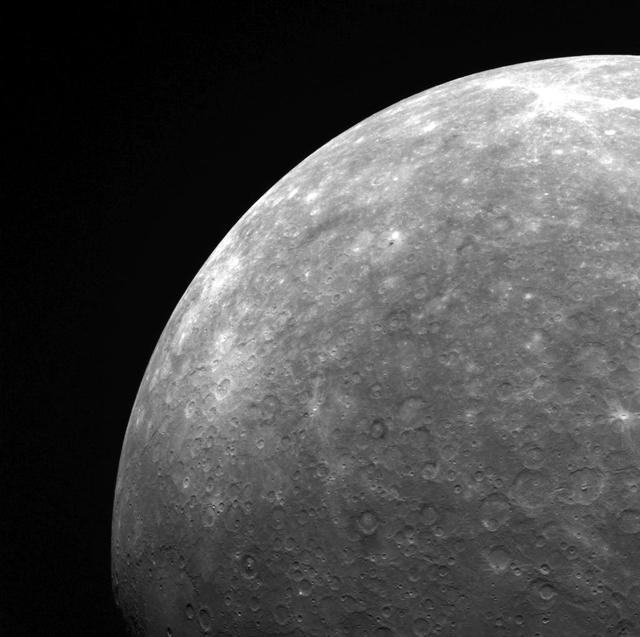
When the sun sets we can then see the naked eye visible planets. After sunset looking West will see Mercury in Libra and then below that very close to the horizon you might be able to see bright Venus in Virgo. Looking East Saturn can be seen in Cetus the sea monster. Before sunrise look east and you’ll see Mars in cancer next to the beehive cluster of stars and then below that you’ll be able to spot Jupiter in Leo next to the bright star Regulus. So let’s enjoy the warmth of our day star and at night the beauty of our naked eye visible planets.
Until our next star watch – Don’t forget to check out… What’s up in the night sky!